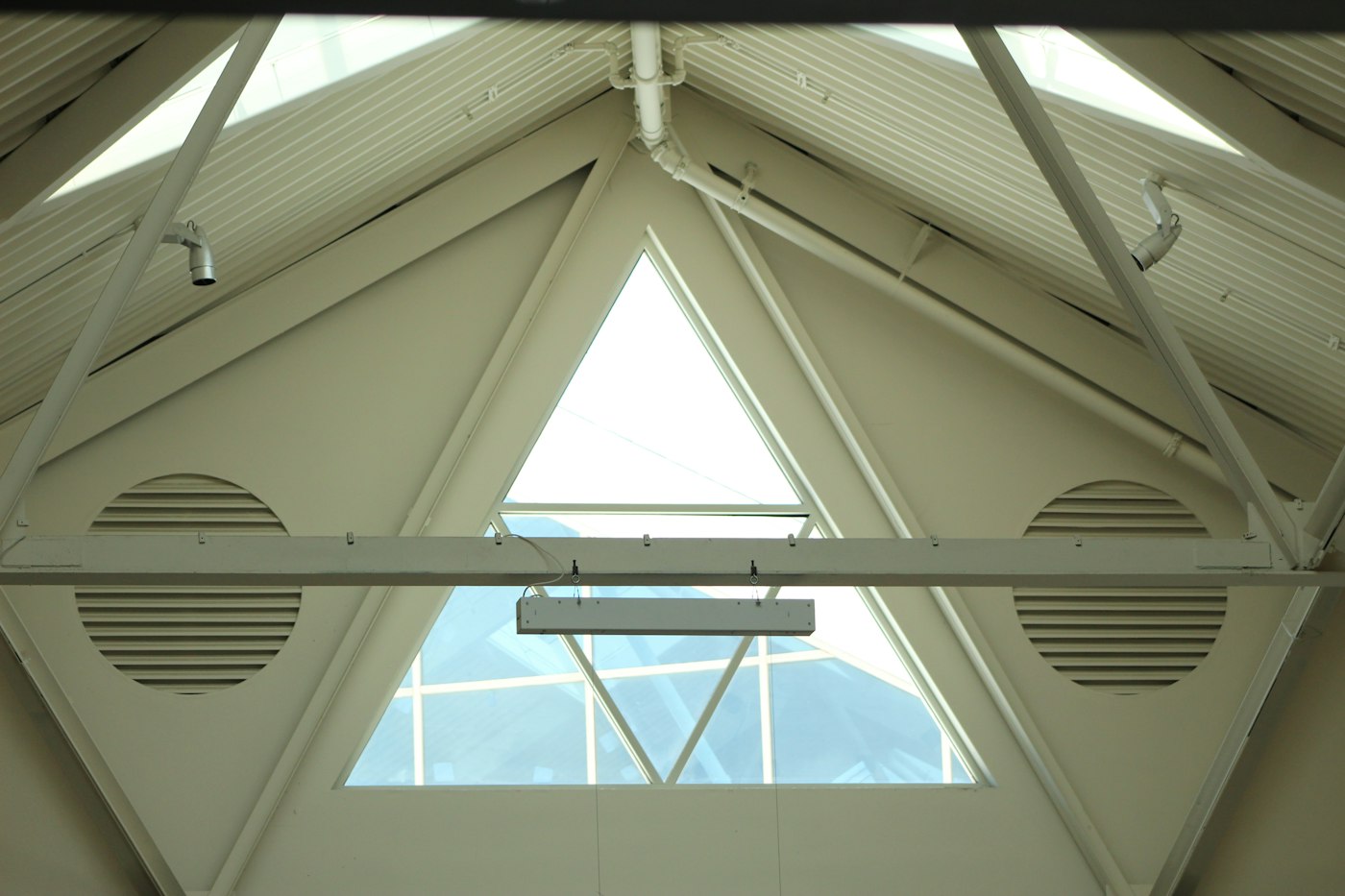
Walk the aisles of any home center in late spring and you will see two products that sound similar and are often mixed up: whole-house fans and attic fans. They sit in roughly the same place in the house, they both move a lot of air, and they both promise lower cooling bills. But they do entirely different jobs, and choosing the wrong one for your situation leads to disappointment. Here is how they differ.
What a whole-house fan does
A whole-house fan is mounted in the ceiling of the top floor, usually in a hallway, and pulls air from the living space up into the attic, where it leaves through roof and gable vents. For it to work, you open windows in the rooms you want to cool. Outdoor air rushes in through those windows, sweeps through the house and exits through the attic.
The effect is dramatic when the outdoor air is cooler than the indoor air, which usually means evenings, nights and early mornings. In a few minutes the fan can flush out the heat that built up all afternoon and replace it with fresh air. In dry climates with cool nights, some households run air conditioning only during the hottest part of the day and rely on the fan the rest of the time.
Whole-house fans are less useful in hot, humid regions where nights stay warm and sticky, because the fan simply pulls that humid air indoors. They also need adequate attic vent area to exhaust the air they move, and a well-sealed, insulated cover for winter so you are not pumping heated air into the attic through a leaky shutter.
What an attic fan does
An attic fan, sometimes called a powered attic ventilator, is mounted on the roof or in a gable wall and ventilates only the attic. It pulls outdoor air through the soffit vents, across the attic and out, lowering attic temperature on hot afternoons. Solar-powered versions are common.
The theory is that a cooler attic puts less heat into the ceilings below. In practice, the benefit depends heavily on how well the attic floor is sealed and insulated. A powerful attic fan in a leaky house can pull conditioned air up through gaps around light fixtures, plumbing and the attic hatch, which means you are cooling the attic with the air you paid to cool downstairs. Many energy specialists suggest air sealing and insulating first, then passive ridge and soffit ventilation, and only adding a powered fan if a specific problem remains.
Which one fits your home
- Cool nights and dry air: a whole-house fan can be a strong addition and may reduce how often the air conditioner runs.
- Warm, humid nights: a whole-house fan is a poor fit, and air conditioning with good dehumidification does the real work.
- A hot upstairs with a poorly ventilated attic: look at insulation, air sealing and passive vents before an attic fan.
- Any home: a whole-house fan requires opening windows, so security and pollen are part of the decision.
Installation considerations
Both products require a cut in the ceiling or roof, electrical work and attention to attic ventilation, so they belong in the conversation when a remodel already has those areas open. A whole-house fan needs enough net free vent area in the attic, a dedicated switch or timer, and some thought about noise, since older belt-driven models can be loud. Newer insulated, ducted whole-house fans are quieter and seal better in winter.
Ask a contractor or energy auditor to look at the attic before buying either fan. Where a home needs air sealing, that work comes first and pays off in every season.
Using a Whole-House Fan Well
A whole-house fan only delivers its benefit when it is run at the right times and in the right way. A few habits make the difference between a fan that flushes heat in minutes and one that just makes noise.
- Check the temperature outside. Run the fan when the outdoor air is noticeably cooler than the air inside, usually after sunset and in the early morning.
- Open windows first. Never start the fan with the windows closed. Open several windows, ideally in the rooms you want to cool most, before switching it on.
- Choose which rooms to cool. Opening windows only in bedrooms pulls cool air through those rooms first. Closing windows in unused rooms concentrates the flow where you want it.
- Turn off the air conditioning. Running both at once wastes energy. Use the fan to cool the house, then close the windows and switch to air conditioning when the day heats up.
- Close up in the morning. Once the house is cool, shut windows and blinds on the sunny side to hold the cool air in as long as possible.
- Seal it for winter. Install or close the insulated cover when the cooling season ends.
Safety matters too. Any fuel-burning appliance, such as a gas water heater, furnace or fireplace, can be affected by the strong negative pressure a whole-house fan creates if windows are not open enough. Always keep enough windows open, and ask your installer about this when the fan goes in.
Common Mistakes
- Too little attic venting. Without enough exhaust area, the fan pushes air back into the house through gaps or strains the motor.
- Using a whole-house fan in humid weather. Pulling warm, damp air indoors makes the house feel clammy and gives the air conditioner more work later.
- Installing an attic fan before sealing the attic floor. A powered attic fan can draw conditioned air out of the house through leaks.
- Ignoring pollen and security. Open windows let in pollen and may be a concern on ground floors. Window locks that allow a secured partial opening can help.
- Skipping the winter cover. A bare shutter leaks heat all winter long.
Questions Homeowners Ask
Can a whole-house fan replace air conditioning?
In some dry climates with cool nights, it can reduce reliance on air conditioning significantly. In hot, humid areas, it is usually an occasional helper at best.
Are whole-house fans loud?
Older models with large, exposed blades can be. Newer insulated, ducted models are much quieter because the motor sits farther from the living space.
Should we get an energy audit first?
It is a good idea. An audit can show whether air sealing, insulation or ventilation changes would help more than either fan. We are glad to help you sort out which improvements make sense for your attic and your home.